What we put into the body matters — especially when it is fighting.
Shortly after my initial chemotherapy began, my body was under enormous assault. The treatment I was receiving — FOLFOX chemotherapy plus Avastin (bevacizumab), a targeted therapy added to work alongside the chemo — was working, but it was also taking a severe toll. Over the first three and a half months of treatment, I lost thirty-six pounds.
Eating in any traditional sense was a daily struggle. Appetite was nearly gone. And the question my wife Lalisa was asking — every single day — was: how do we get the most possible nutrition into a body that can barely take anything in?
My wife Lalisa — who had already thrown herself into research alongside my mother — turned to nutrition with the same fierce determination she brought to everything else. She acquired a slow juicer specifically because it extracts more nutrients than a standard blender, and removes the pulp that my digestive system could not yet handle.
What she created was not a recipe from a book. It was built ingredient by ingredient, chosen for a reason, refined over time — a formula designed to give my body everything it needed when it could take in almost nothing.
I share it here because it is one of the most concrete things I can offer you. Not a theory. Something we actually did — and something that, we believe, played a genuine role in sustaining me through the hardest chapters of this journey.
Lalisa’s Slow Juicer Formula
Using a slow juicer to maximize nutrients and completely remove pulp, Lalisa combined these fresh ingredients daily to create a highly concentrated, easy-to-drink 2–3 oz liquid shot:
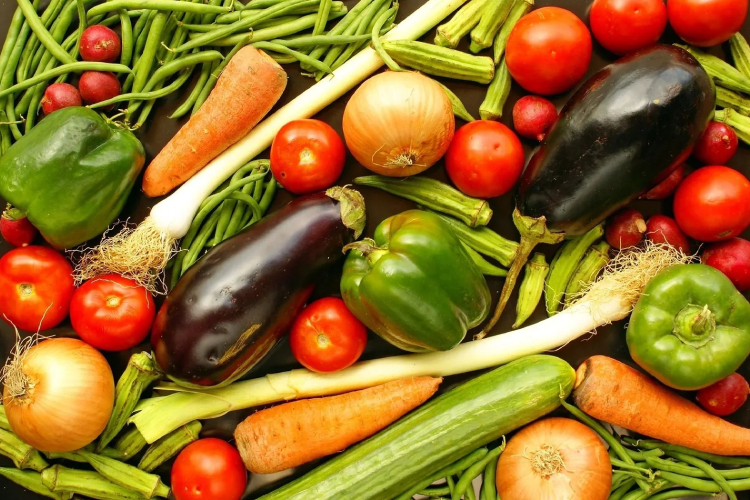
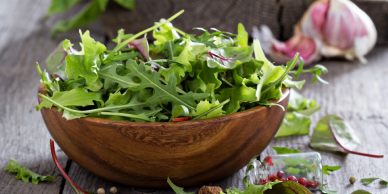
- Chard or leafy kale — Deep green nutrition packed with vitamins K, A, and C, and powerful antioxidants to support immune function.
- Fresh turmeric — One of nature’s most potent anti-inflammatory agents. In a small phase IIa trial of 28 patients (the CUFOX trial — some receiving FOLFOX with Avastin, some without), adding 2 grams of curcumin daily was found safe and tolerable alongside chemotherapy. It is best absorbed when paired with a tiny pinch of black pepper and a splash of olive oil.
- Fresh ginger — Strong anti-inflammatory and digestive support, uniquely valuable during chemotherapy when nausea and digestive distress are constant companions.
- Beet — Supports liver health and blood production, rich in nitrates for circulation and betalains for antioxidant support.
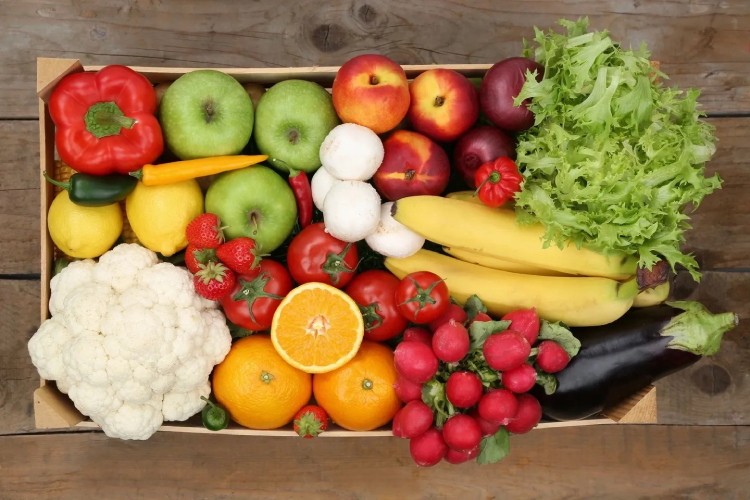
- Apple — Natural sweetness that makes the concentrated juice tolerable on days when chemo makes everything taste wrong.
- Celery — Exceptional for hydration.
- Carrots — High in beta-carotene, which the body converts to vitamin A to support essential cell health and immune function.
- Shiitake mushrooms — Extensively researched in medical oncology settings for their deep cellular immune support.
- Lemon zest — Packed with vitamin C and limonene, adding a bright flavor that makes the concentrate taste alive.
(Note on Seeds: While chia and flax seeds became vital parts of my broader nutrition strategy later on, they cannot be run through a slow juicer, as the machine rejects them into the dry pulp bin. Because my digestive tract was too raw during my first year of chemo to handle ground seeds mixed into liquid, we left seeds out of this juicing phase entirely and incorporated them only when solid foods became possible again).
A note on the slow juicer: The slow (masticating) juicer was a deliberate choice. Unlike high-speed blenders, it presses rather than shreds — preserving more enzymes and nutrients, and removing fiber that an already-stressed digestive system could not handle. If you are in active treatment or early recovery, this distinction matters.
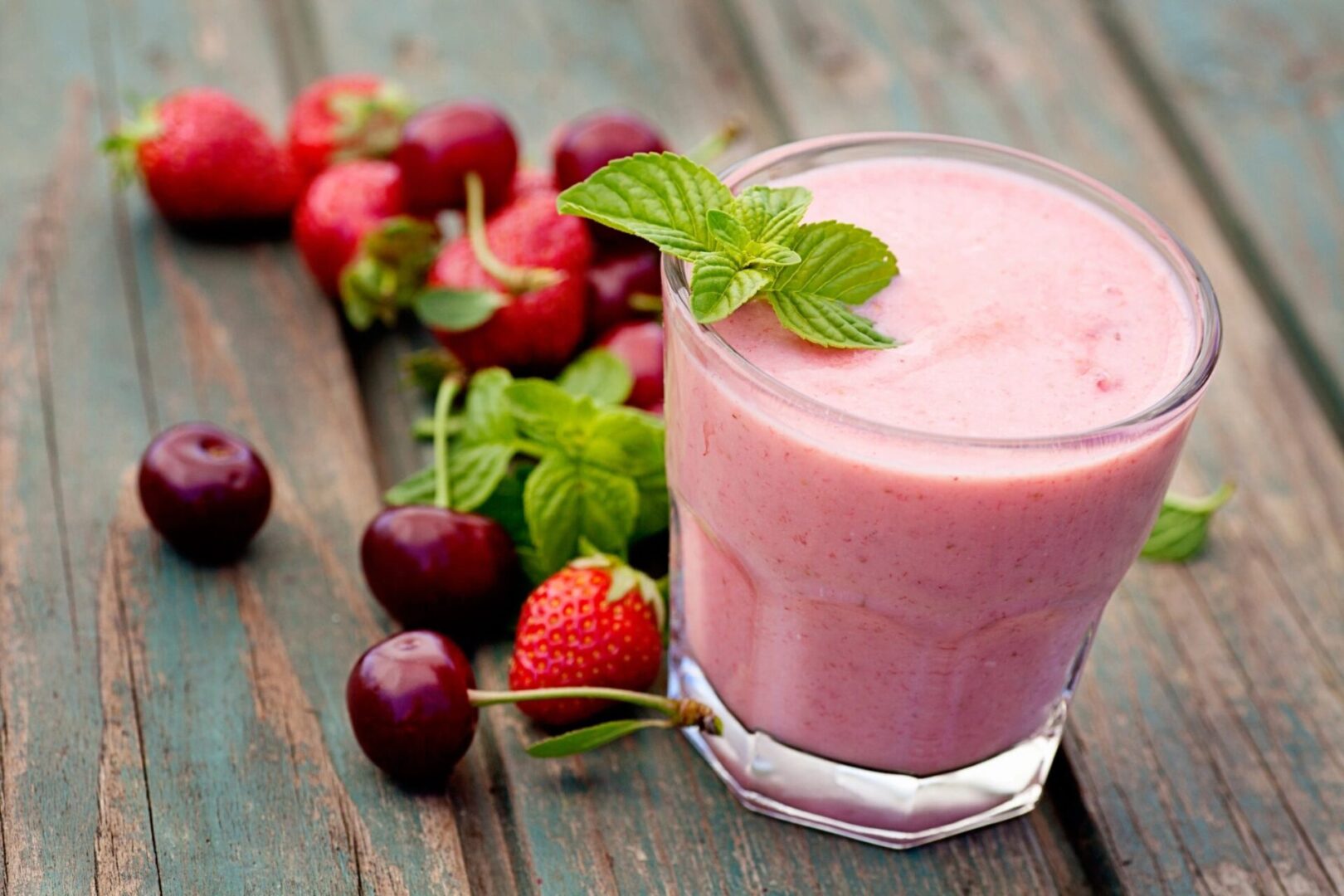
Juice/Drink Recipe
Here’s what you will need to make my favorite superfood drink:
Almond milk (1 cup)
almond milk ice cubes (5)
Blueberries (1 cup)
Kale, Chard, etc. (3-4 large leaves)
Apple (1/2 medium)
Lemon zest (1tbs)
Cucumber (1/2)
Chia seeds (1 tbs)
Flax seeds (2 tbs)
Ginger (Chop fine, ½ tsp)
turmeric (powder 1 tsp powder or equivalent chopped)
Matcha tea (1 tsp)
Cinnamon (1/2 tsp)
Protein powder (1 scoop)
‘Green Vibrance’ powder or equivalent (1 scoop)
Carrots (4 mini carrots)
Blend all of these in a high-power blender to liquefy (we have great success with ‘Vitamix’, as it completely liquefies all solids).
For circumstances after chemo where appetites will not allow a full glass with pulp, a slow-rotation juicer is ideal. This worked well for me during my first year of chemo. These juicers separate the liquid from the solids to make a concentrated, supercharged, easy-to-drink concentrate of approximately 2–3 oz.
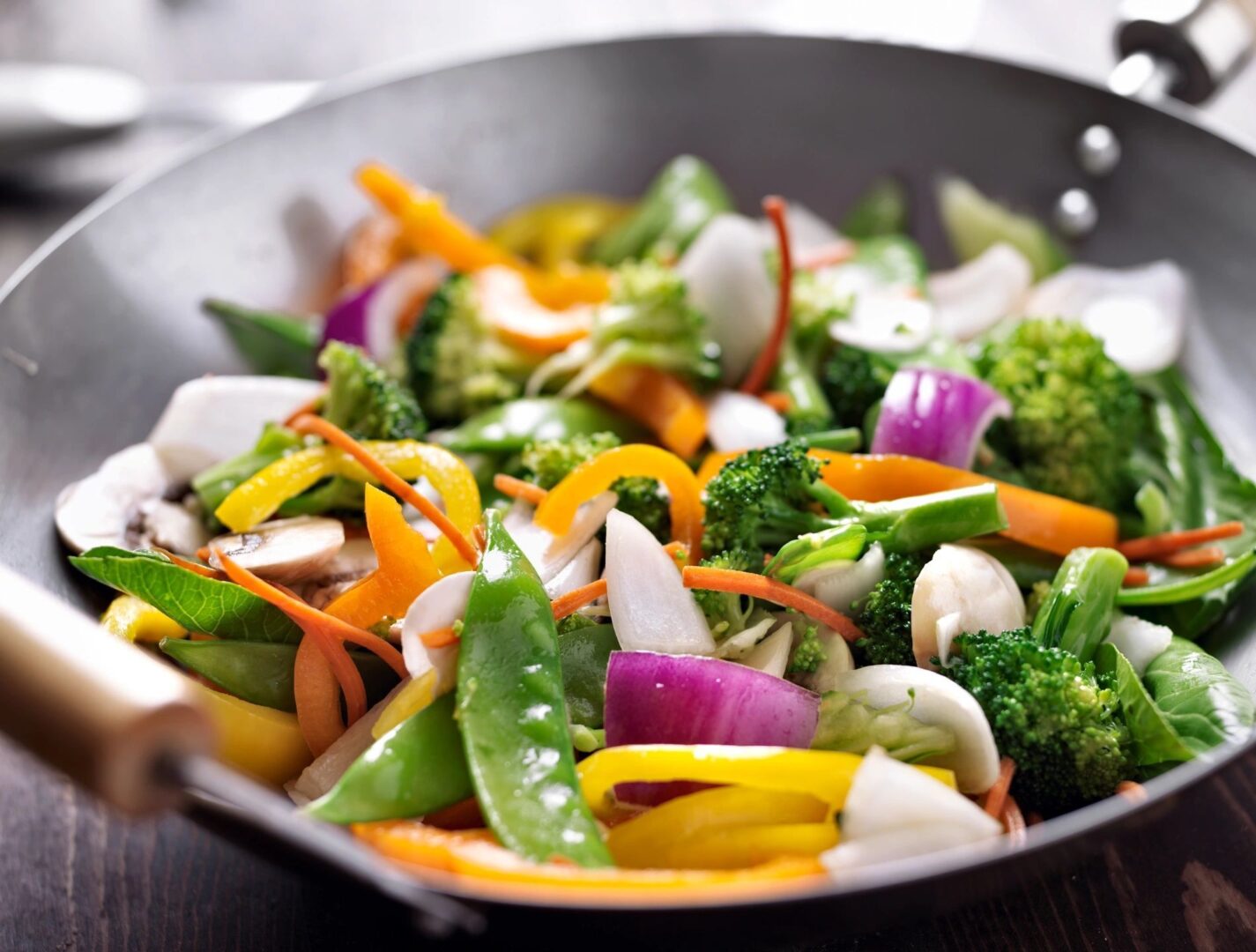
Food I Enjoy
I encourage you to find certain food that you will enjoy on your journey. On that note, here is the food that I enjoyed during my chemo treatments:
Stir-fry veggies: broccoli, spinach, tomatoes, bok-choy, carrots, mushrooms, and garlic
Vegetarian black bean chili with garlic
Lentil dishes and lentil soups:
Berries/fruit salad: strawberries, blueberries, raspberries, and pomegranate seeds
Foods to Avoid
Foods with high glycemic load: in short, managing glucose spikes helps avoid fueling the signaling pathways that abnormal and cancer cells rely on to grow and progress.
White Rice
Noodles
Candy
Sugar (added sugars are a big no for me because sugars spike our bodies’ blood sugar.
The substance our body uses to lower high blood sugar also feeds cancer cells)
Red Meat (limit to a few ounces per week)
Processed Food
White and Wheat Bread
Alcohol (keep alcohol intake low or cut it out completely)

Healthier Alternatives
There are substitute sweeteners to replace sugar, including Stevia, Monk Fruit, and Allulose. On the other hand, substitutes for regular pasta include:
Spinach
Chickpea
Red lentil
Zucchini noodles
Veggie and black bean burgers can replace red meat, while sprouted bread and pumpernickel are great bread alternatives.
See More Inspiring Content
Want to know more about my colon cancer journey?